Sleep Is a Protest: The Rebels Fighting to Give American Cities Their Nights Back
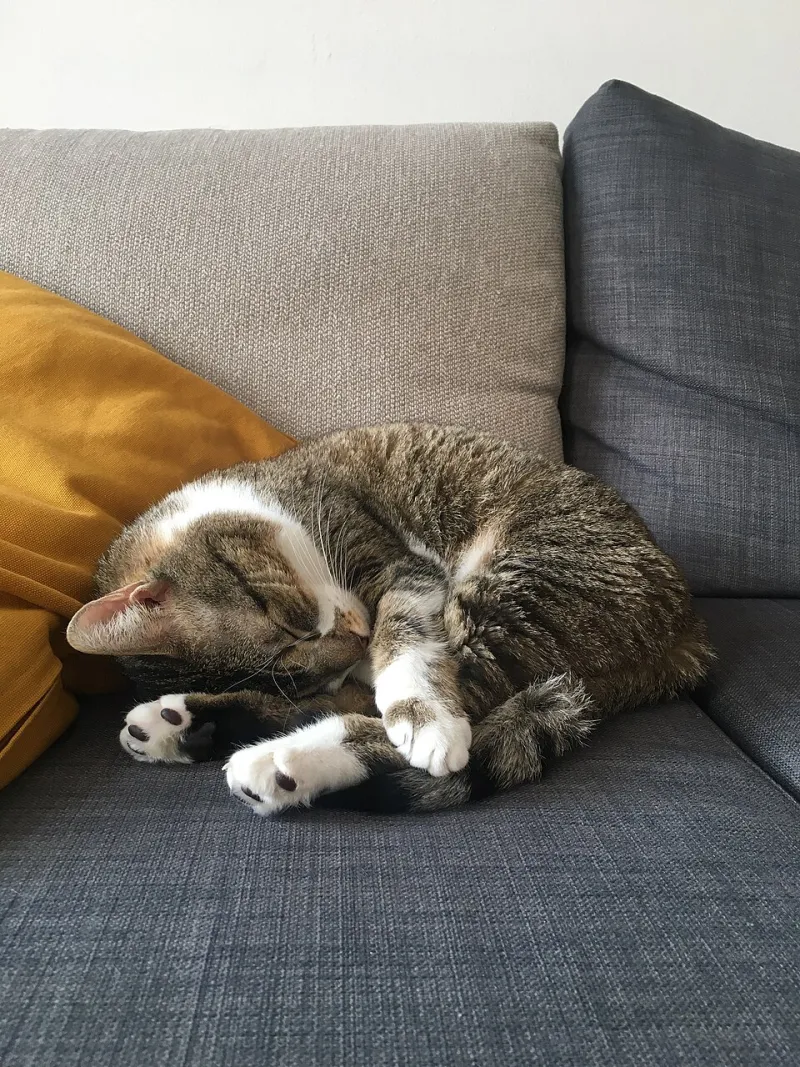
Photo: Sonkiki, CC0, via Wikimedia Commons
Somewhere in Brooklyn, in a converted loft that smells faintly of lavender and old wood, twelve strangers are lying on yoga mats in the dark at 10 p.m. on a Friday. There's no alcohol. No DJ. No content to consume. Just blackout curtains, a white noise machine, and the radical, almost transgressive act of letting your body do the thing it desperately needs to do.
Welcome to the nap club. And yes, it is exactly as countercultural as it sounds.
The Hustle Hangover
For at least a generation, American city culture has worn exhaustion like a badge. The grind. The hustle. The "I'll sleep when I'm dead" bumper sticker philosophy that got rebranded as ambition and sold back to us at a premium. In creative communities especially — musicians, designers, makers, the kind of people who populate the late-night studios and underground venues that this site calls home — sleeplessness became aestheticized. The 4 a.m. studio session. The all-nighter that produced the album. The bags under your eyes as proof of your dedication.
But a growing chorus of researchers, activists, and plain exhausted humans is starting to call that mythology out for what it is: a public health crisis dressed up in cool clothing.
Dr. Ayana Morris, a sleep researcher at NYU's Langone Health, has been studying the relationship between urban environments and sleep quality for nearly a decade. Her findings are not exactly cheerful. "The cities we've built are physiologically hostile to rest," she told us over the phone, audibly tired herself. "Light pollution disrupts melatonin production. Noise keeps the nervous system activated. And then we layer on a culture that shames people for trying to sleep. It's a perfect storm."
The data backs her up. Studies consistently show that people in dense urban areas sleep significantly less than their suburban or rural counterparts — and that the gap is widest in communities of color and low-income neighborhoods, where the environmental stressors are most acute and the ability to control your sleep environment is most limited.
Underground Rest
Into this gap have stepped some genuinely creative disruptors.
The Brooklyn nap club — which operates under the name The Still Hour and communicates exclusively through a Signal group — is one of a loosely connected network of community rest spaces that have emerged in cities across the country over the past few years. Chicago has two. Los Angeles has at least four, depending on who you ask. They operate somewhere between wellness practice and political statement, and their founders tend to talk about sleep in the same breath as housing rights and environmental justice.
"Rest is resistance," says Marcus Teel, who co-founded a nap collective in Atlanta's West End neighborhood after burning out spectacularly from a decade of running a music production company. "Especially for Black folks, especially for people who've been told their whole lives that their value is in their output. Saying 'I'm going to stop and sleep' is genuinely radical."
Teel's collective, called Slow Down Sound, started as a joke between friends — a group chat where people committed to actually sleeping before midnight — and evolved into a monthly gathering in a rented community space. They play ambient music, dim the lights, and create what Teel calls "permission structures" for people to rest without guilt. They also do workshops on sleep hygiene that specifically address the cultural narratives around hustle and productivity.
"We use music as the entry point," he explains. "People get it when you frame it that way. You wouldn't run your instruments without maintenance. Why are you running your body like that?"
Mapping the Dark (or the Lack of It)
On the more technical end of the resistance, a coalition of urban planners and community scientists is waging war on light pollution — one of the most underappreciated enemies of urban sleep.
The Dark Sky Cities initiative, which has chapters in Seattle, Denver, Minneapolis, and Philadelphia, trains volunteers to map light pollution block by block using modified smartphone sensors and publicly available satellite data. The goal is to build granular, neighborhood-level evidence for city councils considering lighting ordinances — and to make the invisible visible for residents who've never thought about why they can't see stars from their bedroom window.
"People think light pollution is an astronomy issue," says Priya Nair, a city planner and Dark Sky Cities organizer in Denver. "It's not. It's a health issue. It's a sleep issue. And it falls hardest on neighborhoods that don't have political power to push back against the over-illumination of their streets."
The work is slow, technical, and deeply unglamorous. It involves a lot of spreadsheets and city council meetings. But Nair is evangelical about it. "Every streetlight that gets retrofitted with a proper shield, every parking lot that gets a timer — that's someone sleeping a little better. That matters."
Reclaiming the Night Without Killing the Vibe
Here's where it gets complicated, and where the conversation gets interesting for anyone who loves what cities offer after dark.
Nightlife is real. The creative energy that pulses through a city at 1 a.m. is real. The music, the art, the spontaneous human connection that happens in the small hours — that stuff matters, and it's worth protecting. Nobody at Goodnight Traffic City is arguing that everyone should be in bed by ten.
But there's a difference between choosing the night and being conscripted into it. Between the musician who stays up until 3 a.m. because the session is flowing and the warehouse worker who can't afford to do anything else. Between the artist who romanticizes exhaustion and the nurse who's running on four hours of sleep because the hospital is understaffed and the rent is due.
The sleep activists and researchers we talked to are careful to hold that distinction. They're not anti-night. They're anti-coercion. They want a city where people can actually choose how they engage with the dark — where rest is available to everyone, not just the people with the right income bracket or the right schedule.
"We're not trying to turn the lights off on nightlife," Dr. Morris says. "We're trying to make sure that when you do stay out all night, it's because you wanted to. Not because the city gave you no other option."
What a Well-Rested City Could Sound Like
Imagine, for a second, a version of your city where the people making the art aren't running on fumes. Where the musicians, the makers, the chefs, the designers — the whole creative ecosystem that makes urban life worth living — are actually taking care of themselves. Where the night is a choice, not a sentence.
That's the city the sleep rebels are building, one nap club and one retrofitted streetlight and one honest conversation at a time. It's slow work. It's unglamorous work. But then again, so is sleep.
And we've all been told for too long that unglamorous things don't matter.