After the Shelves Close: The Secret Literary Underground Rewriting America's Cities One Late-Night Page at a Time
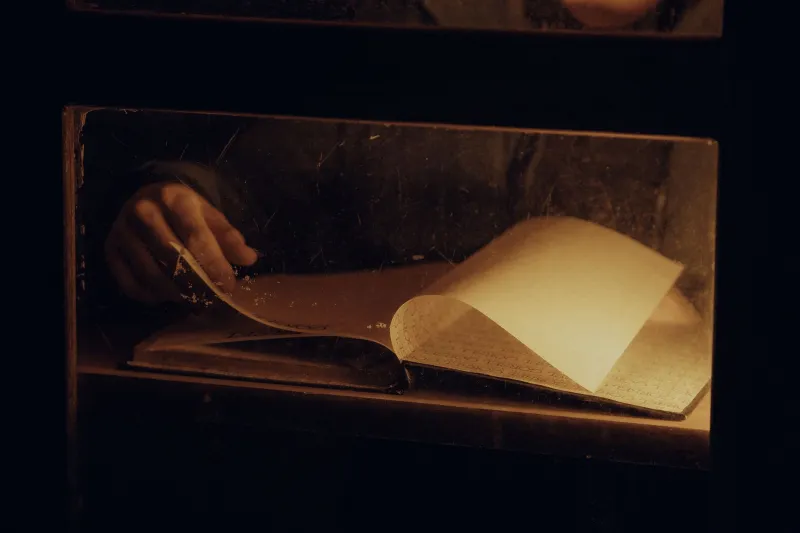
It's 11:45 PM on a Wednesday in a repurposed garment warehouse somewhere in South Philly. The freight elevator groans. Folding chairs scrape against concrete. Someone passes around a thermos of something that smells like bourbon-spiked coffee, and a woman with ink-stained fingers begins reading aloud from a self-published novella that will never appear on a Barnes & Noble shelf. Nobody here seems to mind. In fact, that's kind of the whole point.
America has a secret literary life, and it keeps very late hours.
While the publishing industry cycles through its seasonal catalogs and bestseller algorithms, a loose, decentralized network of underground book circles has been quietly assembling in the margins — in subway cars and church basements, in the back rooms of record shops and the living rooms of people who've simply had enough of being told what's worth reading. These aren't your grandmother's book clubs. They're something rawer, more urgent, and in a lot of ways, more honest.
Reading as Resistance
The impulse driving these gatherings isn't nostalgia. It's frustration.
Commercial publishing has always had gatekeepers, but the consolidation of the last decade has made those gates narrower than ever. Five major publishing conglomerates now control the vast majority of what gets distributed, reviewed, and amplified. Algorithms decide what you see on your feed. Influencer culture has turned literary taste into a brand exercise. And somewhere in all that machinery, a lot of voices — working-class writers, writers of color, queer writers in mid-sized cities with no industry connections — have found themselves locked outside.
So they started meeting after midnight.
In Chicago's Pilsen neighborhood, a collective called Papel Roto — Spanish for "torn paper" — gathers monthly in the back of a panadería that stays open late. They read exclusively from zines, hand-stapled chapbooks, and manuscripts that haven't been published anywhere. The rule is simple: if a major publisher would touch it, it doesn't belong here. What started as six friends has grown to over 40 rotating members, with a waitlist.
"We're not anti-books," laughs one of the founding members, who asked to stay anonymous. "We're anti-the idea that only certain people get to decide what a book is."
The Spaces Between the Official City
What makes these gatherings distinctly urban — distinctly city — is where they happen.
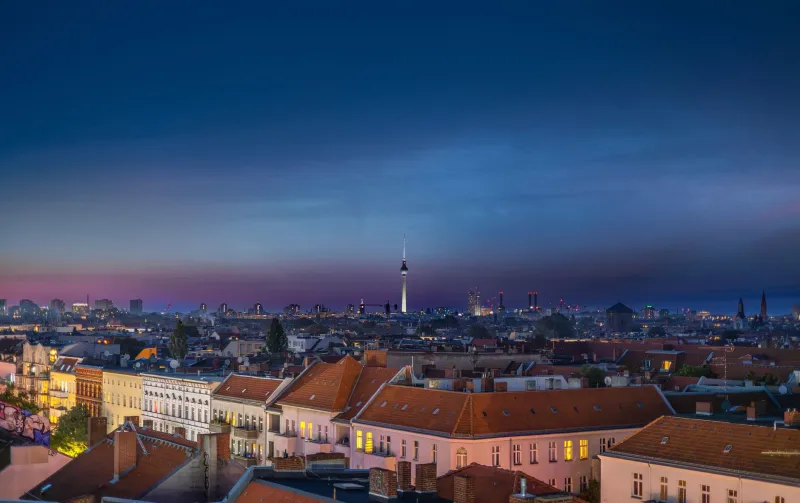
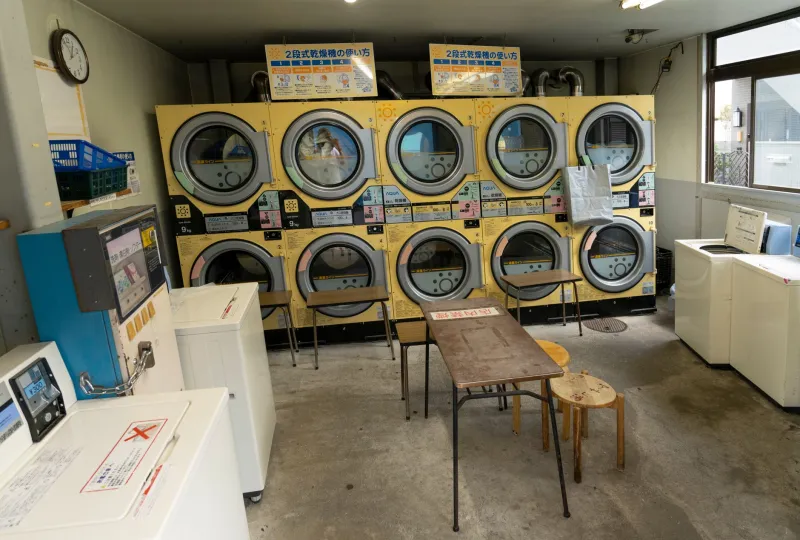
The city at night is a different organism than the city at noon. Spaces that serve one function during business hours transform after dark into something more porous, more negotiable. A bar becomes a salon. A laundromat becomes a reading room. A subway car, deliberately boarded at the end of the line, becomes a rolling literary circle that loops through boroughs for two hours before anyone gets off.
In New York, a group calling itself The Overnight Marginalia has been hosting late-night readings on the A train for the better part of three years. Members board at Far Rockaway around midnight, pass around a shared copy of whatever text they've chosen — often something out of print, sometimes something written by a member — and read aloud in rotating segments until they hit Inwood. The other passengers, the regulars who ride through the night for warmth or shelter, have become an unexpected part of the experience.
"There was this older guy, rode with us four times before he said anything," one member recalls. "Then one night he just started reading along from memory. Turned out he'd read the book twenty years ago. That felt like the whole point of what we were doing, right there."
In Los Angeles, the geography demands something different. A rotating collective in Boyle Heights uses private apartments as nomadic reading rooms, with locations announced 48 hours in advance through a Signal group. The intimacy is deliberate. No microphones. No event pages. No documentation. Just people in a living room with texts that matter to them.
What Gets Read in the Dark
The literary choices in these circles tend to skew toward work that disrupts comfortable narratives.
Zines dominate, particularly those produced by writers documenting urban life from the inside — the night-shift worker's perspective, the immigrant neighborhood's interior logic, the queer geography of a city that presents as straight by day. Self-published novels, passed hand to hand in photocopied form, circulate like contraband. Translated work — especially texts never picked up by American publishers — appears frequently, often in bilingual editions that someone in the group has assembled themselves.
But it's not all obscure. Some circles use canonical texts as jumping-off points, reading Toni Morrison or James Baldwin not as assigned literature but as living conversation — asking what these writers would make of the specific block they're sitting on, the specific city humming outside the window.
The common thread is intentionality. Every text chosen for these gatherings was chosen by someone in the room, for reasons that matter to them personally, without deference to a syllabus or a bestseller list. That might sound like a small thing. It isn't.
Building a Different Kind of Canon
What's emerging from these scattered, late-night gatherings is something that looks, slowly, like an alternative infrastructure.
Some circles have started their own micro-presses, producing limited-run zines and chapbooks from the texts they love. Others have built lending libraries — physical boxes of books, sometimes installed quietly in public spaces, sometimes just passed between members. A few have begun archiving recordings of their readings, though distribution remains deliberately underground.
None of this is trying to compete with the publishing industry. That's not the game being played here. The goal is something more localized and more durable: building literary communities that belong to the people inside them, rooted in specific cities, specific neighborhoods, specific nights.
In Detroit, a group called The Stacks meets in a decommissioned auto parts warehouse and has assembled what they call a "people's library" — over 800 volumes, all donated, catalogued by hand on index cards, organized not by genre or author but by neighborhood of origin. You can pull a book and find, on the inside cover, a handwritten note about where it came from and who loved it.
"Libraries are supposed to be public," one organizer says. "But public doesn't always mean accessible. We're trying to figure out what accessible actually looks like."
The City Writes Back
There's something fitting about the fact that this literary rebellion is happening at night, in cities, in the kinds of spaces that official culture tends to overlook.
The city has always been a text — written and rewritten by everyone who moves through it, legible to those who know how to read it. These underground book circles are doing something similar: writing their own version of the literary city, one late-night gathering at a time, in the spaces between the official story.
They're not waiting for permission. They're not waiting for a deal or a review or a platform. They're meeting after midnight with thermoses and photocopies and the radical idea that literature belongs to whoever shows up.
The shelves are closed. The reading has just begun.